- Home
- /
- About Us
About Us
Who We Are
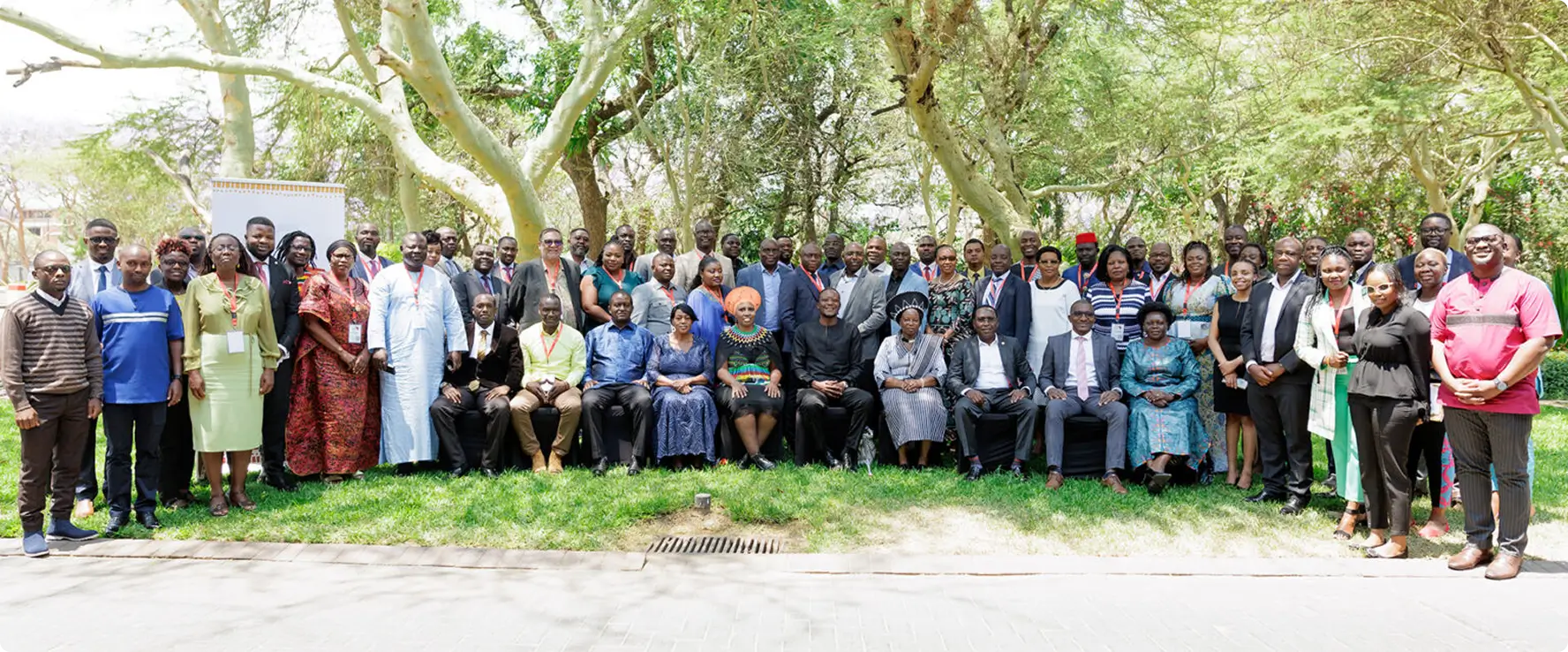
APNIFFT is a flagship initiative coordinated by the Tax Justice Network Africa (TJNA). Its primary goal is to empower African legislators by providing a platform to strategise, exchange knowledge, and strengthen their capacities to address illicit financial flows and tax injustices across the continent. Through this platform, members engage in advocacy, dialogue, and debates on critical economic development issues, including illicit financial flows (IFFs), tax justice, debt, and domestic resource mobilisation (DRM) in Africa.
The Specific Objectives:
1. Act as an avenue through which MPs’ capacities and knowledge on tax justice issues can be
strengthened.
2. Provide a platform for robust policy engagement and debate on tax justice and IFFs issues at the
national and regional level.
3. Serve as a platform for information exchange through which members from different
parliamentary committees can meet, interact, relate, and come up with bi-partisan
legislation.
4. Provide a platform where civil society organisations can freely interact with MPs and promote
the utilisation of their research outputs.
5. Act as a safeguard and a soundboard to monitor compliance with legislative and executive
branch actions on tax justice issues.
APNIFFT Successes
a) Comprehensive Governance Structure
APNIFFT is governed through a comprehensive governance structure to enhance efficiency and guide its strategic engagements.
- A functioning steering committee comprising of regional coordinators from the four Sub-Saharan RECs of Africa.
- Adoption of a constitution to guide the strategy, structure and engagements of APNIFFT.
b) Continental Coverage
APNIFFT currently enjoys continental coverage across Africa. Some of our highlights include:
- We have 855 members registered as members of APNIFFT and have trained over 1,350 MPs since 2017 in 43 countries across Africa.
- We have launched active national caucuses in 28 countries.
- APNIFFT caucuses are spread in the 5 African regions including North Africa, West Africa, Central Africa, East Africa, and Southern Africa.
c) Wide thematic Focus
Taxation and illicit financial flows
- Taxation and natural resource governance.
- Review of mining contracts and extractives.
- Review of how tax policy promotes equity.
- Promoting policies that enhance tax transparency such as beneficial ownership Transparency (BOT) and the exchange of tax information (EOI).
Promoting domestic resource mobilization (DRM) efforts
- Championing national level tax expenditures review processes.
- Promotion of progressive tax raising measures.
- Enhancing the review of tax policies on the taxation of Multinational Enterprises (MNEs)
Debt and development:
- Exploring the implications of debt on economic development
- Enhancing the role of parliamentarians in ensuring responsible borrowing and lending practices.
Trade policy analysis:
- Analyzing the role of trade policies in facilitating or curbing IFFs, with a focus on regional cooperation and integration.
- Promoting coherence of trade, tax, and debt policies at a national, regional and continental level.
APNIFFT Successes

a) Comprehensive Governance Structure
APNIFFT is governed through a comprehensive governance structure to enhance efficiency and guide its strategic engagements.
1. A functioning steering committee comprising of regional coordinators from the four Sub-Saharan RECs of Africa.
2. Adoption of a constitution to guide the strategy, structure and engagements of APNIFFT.
b) Continental Coverage
APNIFFT currently enjoys continental coverage across Africa. Some of our highlights include:
1. We have 855 members registered as members of APNIFFT and have trained over 1,350 MPs since 2017 in 43 countries across Africa.
2. We have launched active national caucuses in 28 countries.
3. APNIFFT caucuses are spread in the 5 African regions including North Africa, West Africa, Central Africa, East Africa, and Southern Africa.
c) Wide thematic Focus
Taxation and natural resource governance.Review of mining contracts and extractives.
1. Taxation and natural resource governance.
2. Review of mining contracts and extractives.
3. Review of how tax policy promotes equity.
4. Promoting policies that enhance tax transparency such as beneficial ownership Transparency (BOT) and the exchange of tax information (EOI).
Debt and development:
1. Exploring the implications of debt on economic development.
2. Enhancing the role of parliamentarians in ensuring responsible borrowing and lending practices.
Promoting domestic resource mobilization (DRM) efforts:
1. Championing national level tax expenditures review processes.
2. Promotion of progressive tax raising measures.
3. Enhancing the review of tax policies on the taxation of Multinational Enterprises (MNEs)
Trade policy analysis:
1. Analyzing the role of trade policies in facilitating or curbing IFFs, with a focus on regional cooperation and integration.
2. Promoting coherence of trade, tax, and debt policies at a national, regional and continental level.
APNIFFT Successes
Comprehensive Governance Structure
Comprehensive Governance Structure
APNIFFT is governed through a comprehensive governance structure to enhance efficiency
and guide its strategic engagements.
1. A functioning steering council comprising regional coordinators from the four Sub-Saharan RECs
of Africa.
2. Adoption of a constitution to guide the strategy, structure and engagement of APNIFFT.
Continental Coverage
b) Continental Coverage
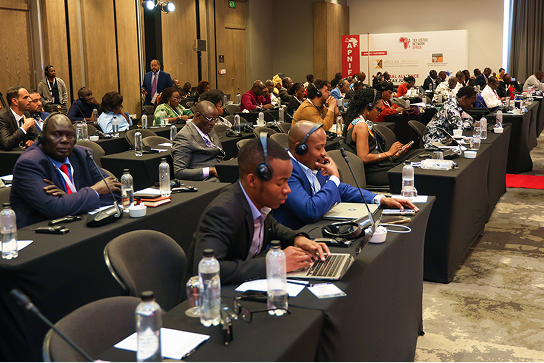
APNIFFT currently enjoys continental coverage across Africa. Some of our highlights include:
1. We have 855 members registered with APNIFFT and have trained over 1,350 MPs since 2017 in
43 countries across Africa.
2. We have launched active national caucuses in 28 countries.
3. APNIFFT caucuses are spread in the 5 African regions, including North Africa, West Africa,
Central Africa, East Africa, and Southern Africa.
Wide thematic focus
Wide thematic focus
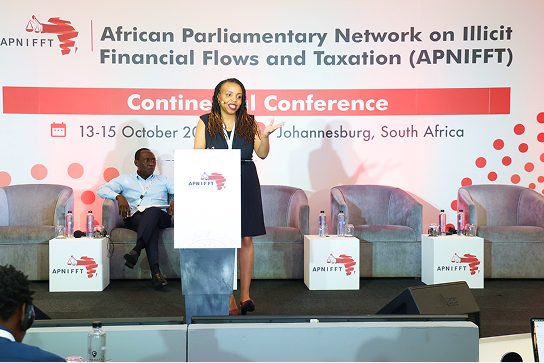
Taxation and illicit financial flows:
1. Taxation and natural resource governance.
2. Review of mining contracts and extractives.
3. Review of how tax policy promotes equity.
4. Promoting policies that enhance tax transparency such as beneficial ownership Transparency
(BOT) and the exchange of tax information (EOI).
Debt and development
1. Exploring the implications of debt on economic development
2.Enhancing the role of parliamentarians in ensuring responsible borrowing and lending practices.
Promoting domestic resource mobilisation (DRM) efforts:
1. Championing national level tax expenditures review processes.
2. Promotion of progressive tax raising measures.
3. Enhancing the review of tax policies on the taxation of Multinational Enterprises (MNEs)
Trade policy analysis
1. Analysing the role of trade policies in facilitating or curbing IFFs, with a focus on regional
cooperation and integration.
2. Promoting coherence of trade, tax, and debt policies at a national, regional, and continental
level.
Key Legislative Outcomes
APNIFFT MPs have worked on bills such as;
1. Enactment of the amendments to the Companies Act to include Beneficial ownership
requirements in South Africa, Zambia, Kenya and Uganda.
2. Legislative Amendments to include anti-IFFs provisions in policies on management of mineral
resources in Namibia.
3. Amendments to the Anti-Money Laundering Act of 2015 in Liberia.
4. Legislative amendments to promote fair taxation and enhance domestic resource mobilisation
Mining ACT and the Anti-Corruption ACT in Liberia.
5. Amendments to the Excise Duty Act in Kenya, Nigeria, DRC, Zambia, and Ghana.
6. Amendment to the Kenyan Treaty-Making and Ratification Act.
APNIFFT caucuses have been engaged in strategic advocacy with key outcomes in:
1. Mining contracts review in DRC,
2. Review and cancellation of a contract awarding exclusive rights to one multinational over the
use of the railway network in Liberia,
3. Development of the model Public Finance Management (PFM) model Bill for the Southern Africa
Development Community (SADC) and
4. Motions on IFFs raised in Zimbabwe, Malawi, Tanzania, and Uganda.
Development and adoption of MPs toolkit on IFFs and tax justice in Africa.
1. Development of MPs toolkit on tax expenditures
2. Development of MPs toolkit on review of mining toolkits
APNIFFT MPs have worked on bills such as
- Enactment of the amendments to the Companies Act to include Beneficial ownership requirements in South Africa, Zambia, Kenya and Uganda.
- Legislative Amendments to include anti IFFs provisions in policies on management of mineral resources in Namibia
- Amendments to the Anti-Money Laundering ACT of 2015 in Liberia
- Legislative amendments to promote fair taxation and enhance domestic resource mobilization Mining ACT and the Anti-Corruption ACT in Liberia,
- Amendments to the Excise Duty Act in Kenya, Nigeria, DRC, Zambia, and Ghana.
- Amendment to the Kenyan Treaty Making and Ratification Act.
APNIFFT caucuses have been engaged in strategic advocacy with key outcomes in:
- Mining contracts review in DRC.
- Review and cancellation of a contract awarding exclusive rights to one multinational over use of the railway network in Liberia.
- Development of the model Public Finance Management (PFM) model Bill for the Southern Africa Development Community (SADC);
- Motions on IFFs raised in Zimbabwe, Malawi, Tanzania, and Uganda.
- Development and adoption of MPs toolkit on IFFs and tax justice in Africa.
- Development of MPs toolkit on tax expenditures
- Development of MPs toolkit on review of mining toolkits