- Home
- /
- History
History
Background
Illicit Financial Flows (IFFs) are a global phenomenon, but the situation in Africa is particularly dire, with the poorest populations bearing the heaviest burden. The continent experiences a disproportionately high level of illicit financial outflows compared to other regions, exacerbating the economic challenges and hindering opportunities for development and poverty reduction.
According to the High-Level Panel on Illicit Financial Flows from Africa Report, the continent loses an estimated $50 billion to $80 billion annually through illicit financial flows. This staggering figure significantly surpasses the amounts lost in other regions.
This disadvantaged position emphasises the urgency and responsibility of African nations to take the lead in addressing this issue, particularly the legislators. As the elected representatives of the people, parliaments in Africa have the task of ensuring participatory and people-driven governance.
About APNIFFT
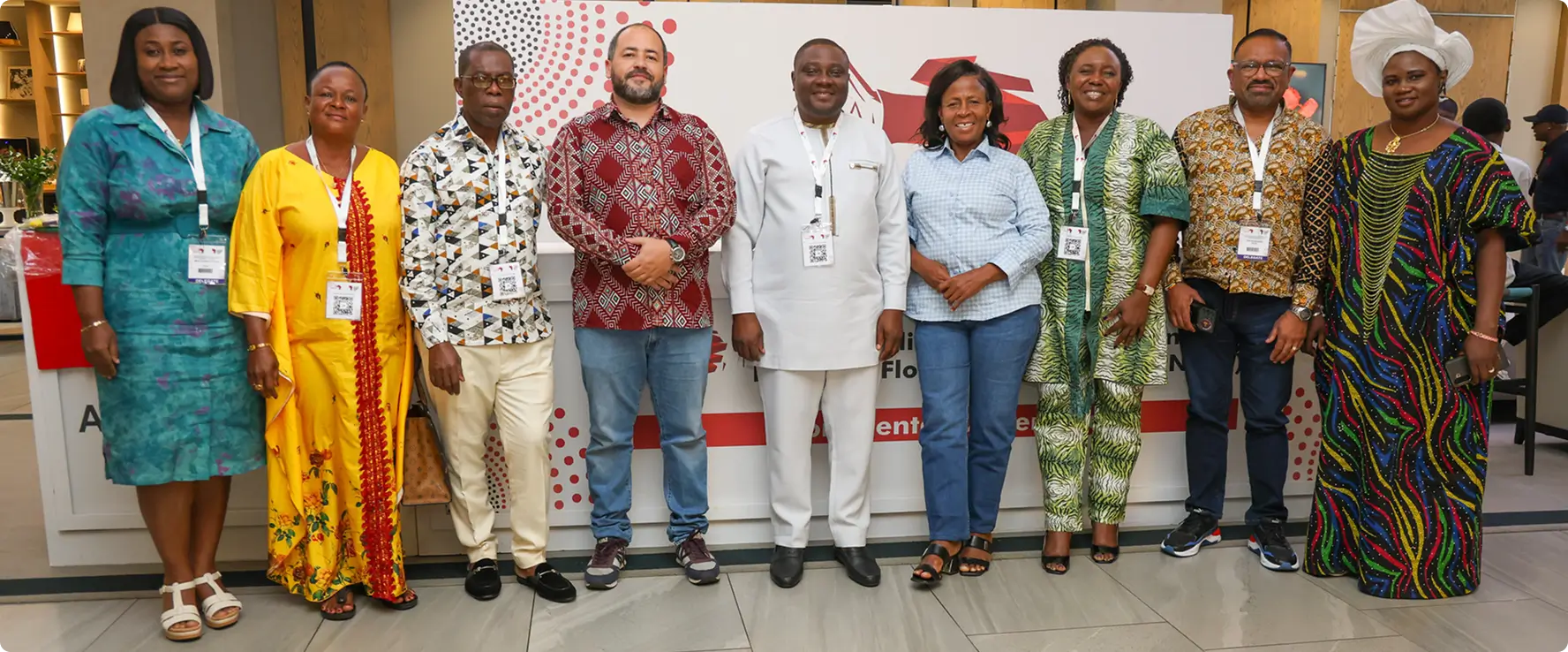
The African Parliamentary Network on Illicit Financial Flows and Taxation (APNIFFT) is a flagship programme coordinated by Tax Justice Network Africa (TJNA) with an overall objective to provide an opportunity for its members, the African legislators, to strategise, learn from each other and build their capacities in tackling Illicit Financial Flows (IFFs) and tax injustices in the continent.
APNIFFT was first conceptualised in 2015 and eventually launched in 2017 by TJNA. Since its inception, APNIFFT’s operational strategy has focused on national-level legislative interventions to combat the continent’s IFFs and DRM issues.
This has been operationalised through country-based (National) parliamentary caucuses that now serve as a basic unit of engagement and mobilisation of Members of Parliament. These basic units then combine to form regional caucuses, based on membership of regional economic councils, to form the continental caucus.
APNIFFT caucuses are present in 42 countries across Africa. Over the past 4 years, APNIFFT has reached a total of 702 members of parliament. The over-arching objectives of APNIFFT are to inform influence, engage and act as an agent of change:
- Inform - Generate knowledge and develop evidence-based policy options to tackle IFFs and tax injustice.
- Influence - Build a platform where civil society organisations can freely interact with MPs and promote utilisation of their research outputs.
- Engage - Strengthen information exchange and robust policy engagements and debates on tax justice and IFFs at national and regional level.
- Change - Act as a safeguard and soundboard to monitor compliance with legislative and executive branch actions on IFFs and tax justice.
Operational Strategy/Structure
APNIFFT’s operational strategy has focused on national-level legislative interventions to combat the continent’s IFFs and Domestic Resource Mobilisation (DRM) issues. This has been operationalised through country-based parliamentary caucuses, which now serve as the basic unit of engagement and mobilisation of legislators.
These basic units then combine to form regional caucuses, based on membership of regional economic councils, to form the continental caucus/conference. The platform facilitates its members in undertaking advocacy-related dialogue and debates on Illicit Financial Flows (IFFs), tax governance, and Domestic Resource Mobilisation (DRM) in Africa in a simplified manner.